 Business License

Conveyor Belt Storage and Transportation Knowledge
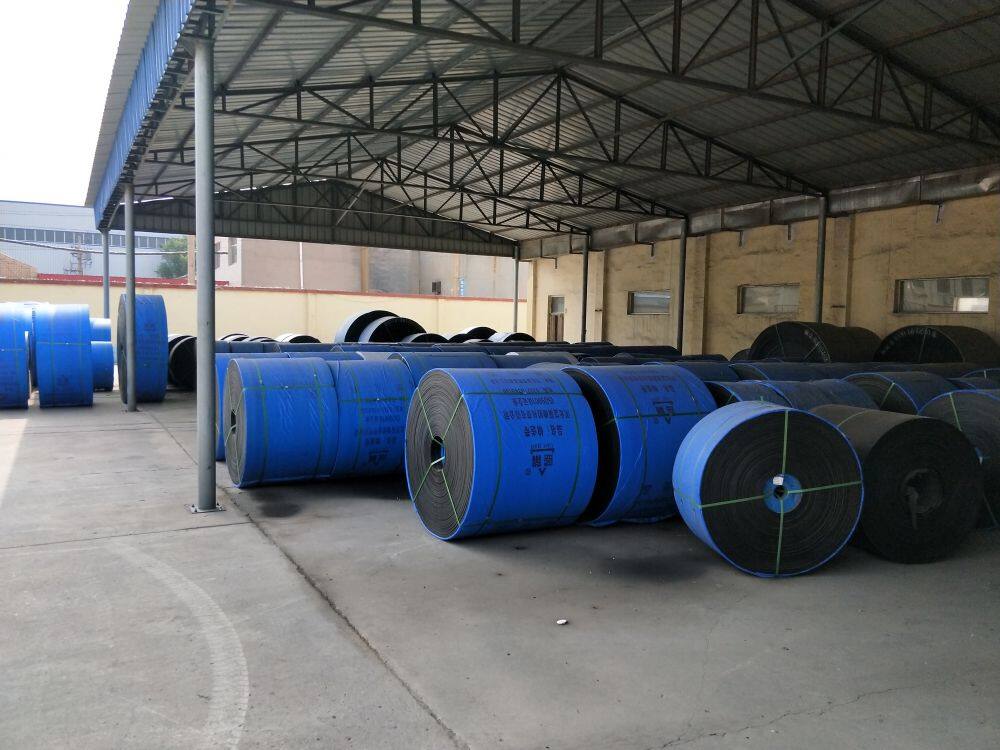
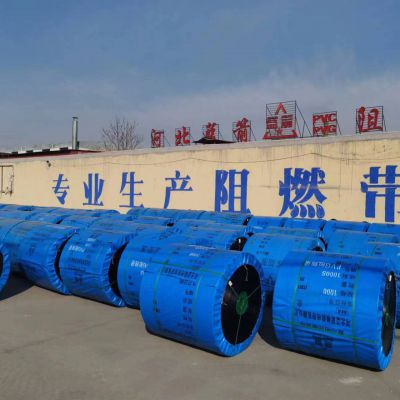
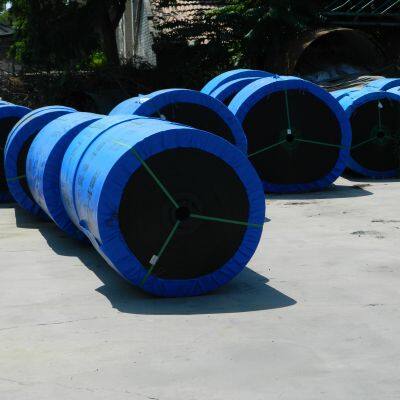
During transportation and storage, the conveyor belt should be kept clean. Avoid direct sunlight, rain or snow exposure, and contact with substances (such as acids, alkalis, oils, organic solvents) that may affect the rubber quality. Also, keep it at least 1 meter away from heat sources.
For storage, the warehouse temperature should be maintained between -15°C and +40°C, and the relative humidity between 50% and 80%.
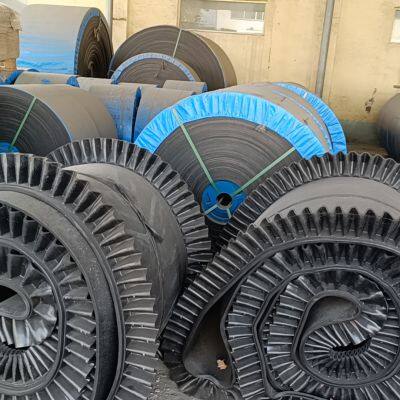
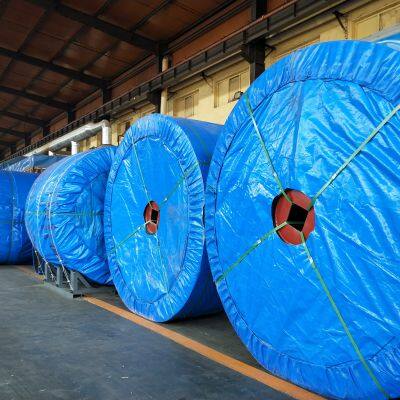
The conveyor belt must be stored in rolls (not folded) during storage, and should be turned over once per quarter.
The operating speed of the conveyor belt should not exceed 5.0 m/s. For materials with high wear rate or when using fixed-type chute loading devices, lower speeds should be used as much as possible. Exceeding the specified speed will affect the service life of the belt.
The relationship between the diameter of the conveyor's drive pulley and the belt layer, the matching of drive pulleys and direction-changing pulleys, and the requirements for idler angles should be selected reasonably according to the conveyor's design specifications.
To reduce the impact and wear of materials on the belt:
The feeding direction should align with the belt's running direction;
Minimize the drop height when materials fall onto the belt;
The feed inlet should avoid the upper part of pulleys or idlers;
Shorten the idler spacing in the belt's loading section and adopt buffer measures.
To prevent belt damage, rubber plates with appropriate hardness (instead of cloth-backed rubber strips) should be used for the contact parts of retaining devices, scraper cleaning devices, and unloading devices with the belt.
Notes for conveyor belt operation:A. Avoid covering the idlers with materials (which may cause jamming), prevent material leakage from getting stuck between pulleys and the belt. Lubricate moving parts, but do not contaminate the belt with oil.B. Try to avoid starting the belt under load.C. If the belt deviates, take corrective measures promptly.D. Repair local damage to the belt in time to prevent it from expanding.E. Prevent the belt from being blocked by frames, supports, or lumpy materials (to avoid tearing).
Joint strength retention rate:① Mechanical connection (using clips): Equivalent to 28%-45% of the conveyor belt's own strength.② Natural vulcanization (cold bonding) connection: Using cold-bonding adhesive, equivalent to 40%-55% of the belt's own strength.③ Hot vulcanization (fusion) bonding connection: Using mechanical vulcanization bonding, equivalent to 60%-80% of the belt's own strength.
Recently Posted
-
rubber conveyor belt for cement/power plant
January 8, 20261. Overview of Conveyor Belts in Cement PlantsConveyor belts are critical continuous conveying equipment in cement production line Read More
 -
Mining conveyor belt
January 8, 2026Introduction and Type Selection of Mining Conveyor Belts1. Introduction to Mining Conveyor BeltsMining conveyor belts are core equ Read More
 -
white rubber conveyor belt for industry or food
December 25, 2025The tensile body of polyester cotton conveyor belt is interwoven by cotton-polyester blended fabric in longitude and cotton fiber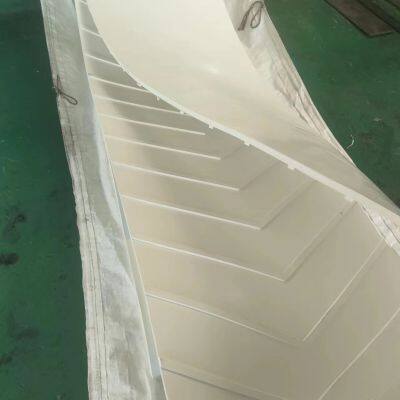 Read More
 -
fire-resistant conveyor belt for underground coal mining
December 17, 2025How to choose suitable conveyorbelt ?We have PVC and PVG conveyor belts . PVC belt 's price is lower than PVG belt. if your tr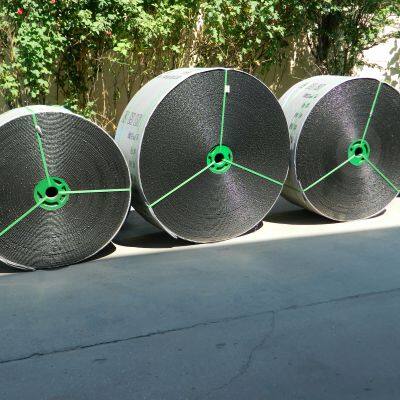 Read More

Contact Us
Recommended Products
-
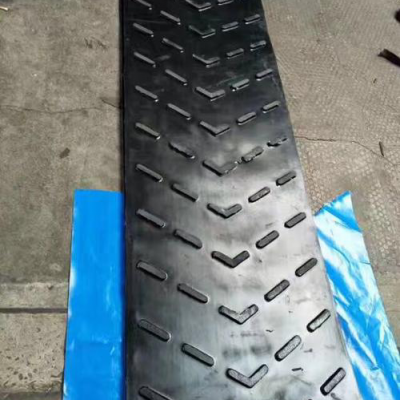
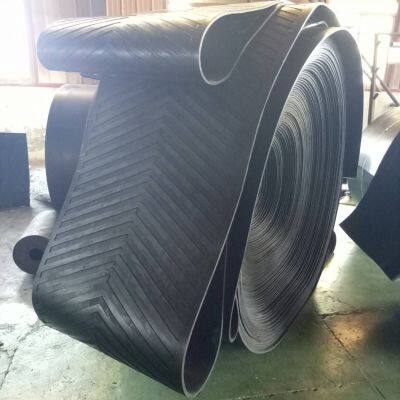
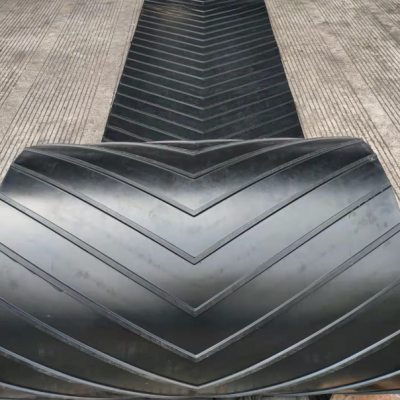
 Chevron Conveyor BeltUS$ 5 - 50MOQ: 100 Meters
 -
Factory Price Durable Industrial EP Rubber Belting Fabric Conveyor BeltUS$ 5 - 50MOQ: 100 Meters
-
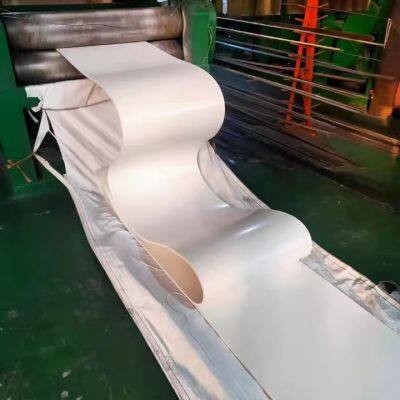
NN100/150/200 White Rubber Conveyor Belt for Food //industryUS$ 5 - 50MOQ: 100 Meters
-
Factory Price Durable Industrial EP Rubber Belting Fabric Conveyor BeltUS$ 5 - 50MOQ: 100 Meters
-
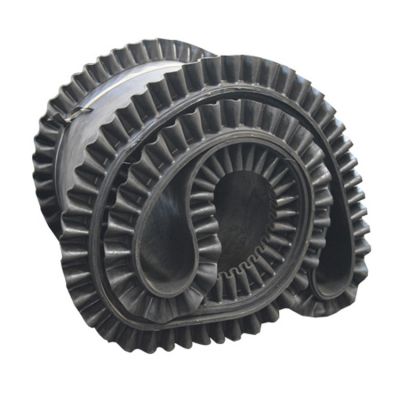
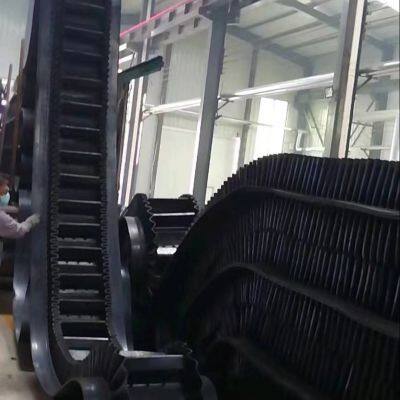
Direct Manufacture From China / Sidewall Rubber Conveyor BeltUS$ 5 - 50MOQ: 100 Meters
-
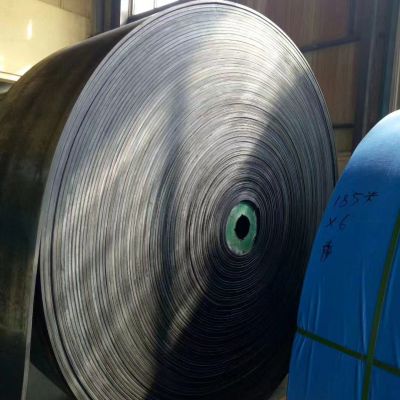
NN100/150/200/300 Wear/oil/heat Resistant Conveyor Belt for Mining/coal / Cement PlantUS$ 5 - 50MOQ: 100 Meters
-
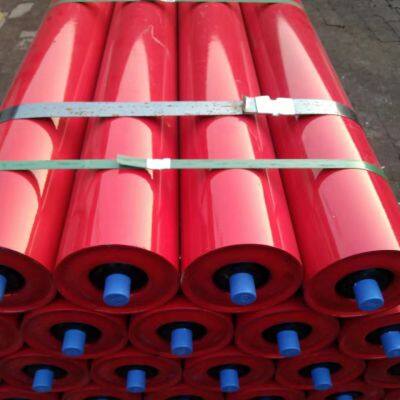
Conveyor Ldler Conveying Roller For Cement /powder/coal/mining PlantUS$ 4 - 10MOQ: 50 Pieces
-
Sidewall Conveyor Belt With Cleated /EP100/150/200/300 Wear Resistant Conveyor BeltUS$ 5 - 50MOQ: 100 Meters
-
Chevern Conveyor BeltUS$ 5 - 50MOQ: 100 Meters
-
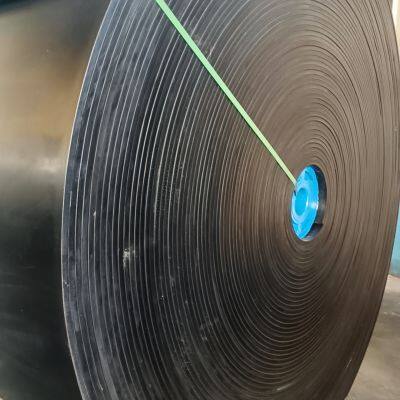
Durable Industrial EP Rubber Belting Fabric Conveyor Belt For Coal MiningUS$ 5 - 50MOQ: 100 Meters

-
PVC/PVG Conveyor Belt for UndergroudUS$ 5 - 50MOQ: 100 Meters
-
PVG/PVC Solid Woven Conveyor Belt for UndergroudUS$ 5 - 50MOQ: 100 Meters
-
Chevron Conveyor BeltUS$ 5 - 50MOQ: 100 Meters
-
Durable Industrial EP Rubber Belting Fabric Conveyor Belt For Coal MiningUS$ 5 - 50MOQ: 100 Meters
-
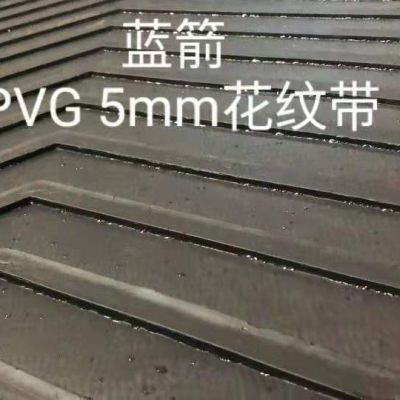
Heat Resistant Convoyor Belt for SaleUS$ 5 - 50MOQ: 100 Meters

-
Conveyor Ldler Conveying Roller For Cement /powder/coal/mining PlantUS$ 4 - 10MOQ: 50 Pieces
-
Sidewall Conveyor Belt With Cleated /EP100/150/200/300 Wear Resistant Conveyor BeltUS$ 5 - 50MOQ: 100 Meters
-
EP100/150/200/300 L/H /M Grade Conveyor BeltUS$ 5 - 50MOQ: 100 Meters
-
Factory Price Durable Industrial EP Rubber Belting Fabric Conveyor BeltUS$ 5 - 50MOQ: 100 Meters
-
Solid Woven Conveyor Belt for Undergroud/coalUS$ 5 - 50MOQ: 100 Meters