 Business License

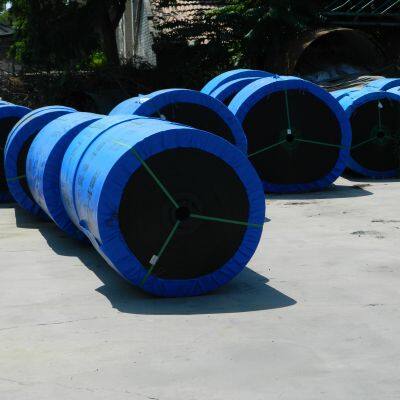
Mining conveyor belt
Introduction and Type Selection of Mining Conveyor Belts
1. Introduction to Mining Conveyor Belts
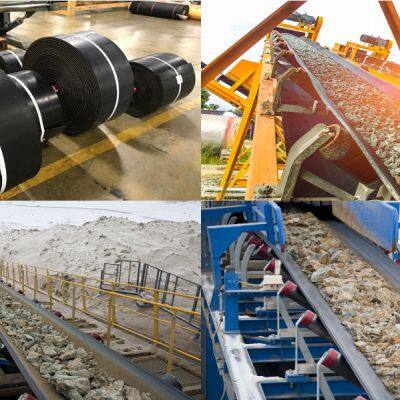
Mining conveyor belts are core equipment for continuous material transportation in mining operations, widely applied in links such as raw ore extraction, coal conveying, and mineral processing. They feature advantages like high transport efficiency, large load capacity, long service life, and strong adaptability to harsh working conditions in mines.
According to structural characteristics and application scenarios, common mining conveyor belts are classified as follows:
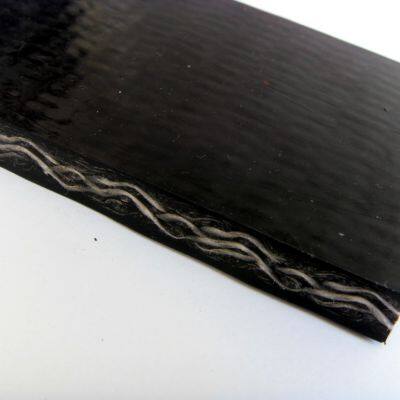
General - purpose fabric conveyor belts: Reinforced by polyester, nylon or cotton fabrics, suitable for conveying bulk materials with medium weight and normal temperature, such as gangue and construction waste in mines.
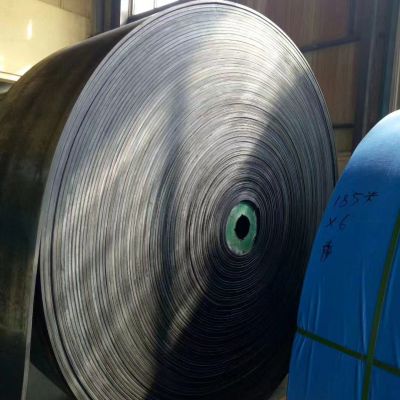
Steel cord conveyor belts: With steel cords as the core reinforcement layer, they have excellent tensile strength and impact resistance, ideal for long - distance, large - capacity and high - speed transportation of heavy materials like iron ore and coal.
Heat - resistant conveyor belts: Specially designed for conveying high - temperature materials (e.g., sintered ore), they can withstand high temperatures ranging from 100℃ to 200℃ and prevent belt aging caused by heat radiation.
Flame - retardant conveyor belts: Mandatory for coal mines and other flammable and explosive mine environments. They have self - extinguishing performance, which can effectively inhibit the spread of fire and reduce explosion risks.
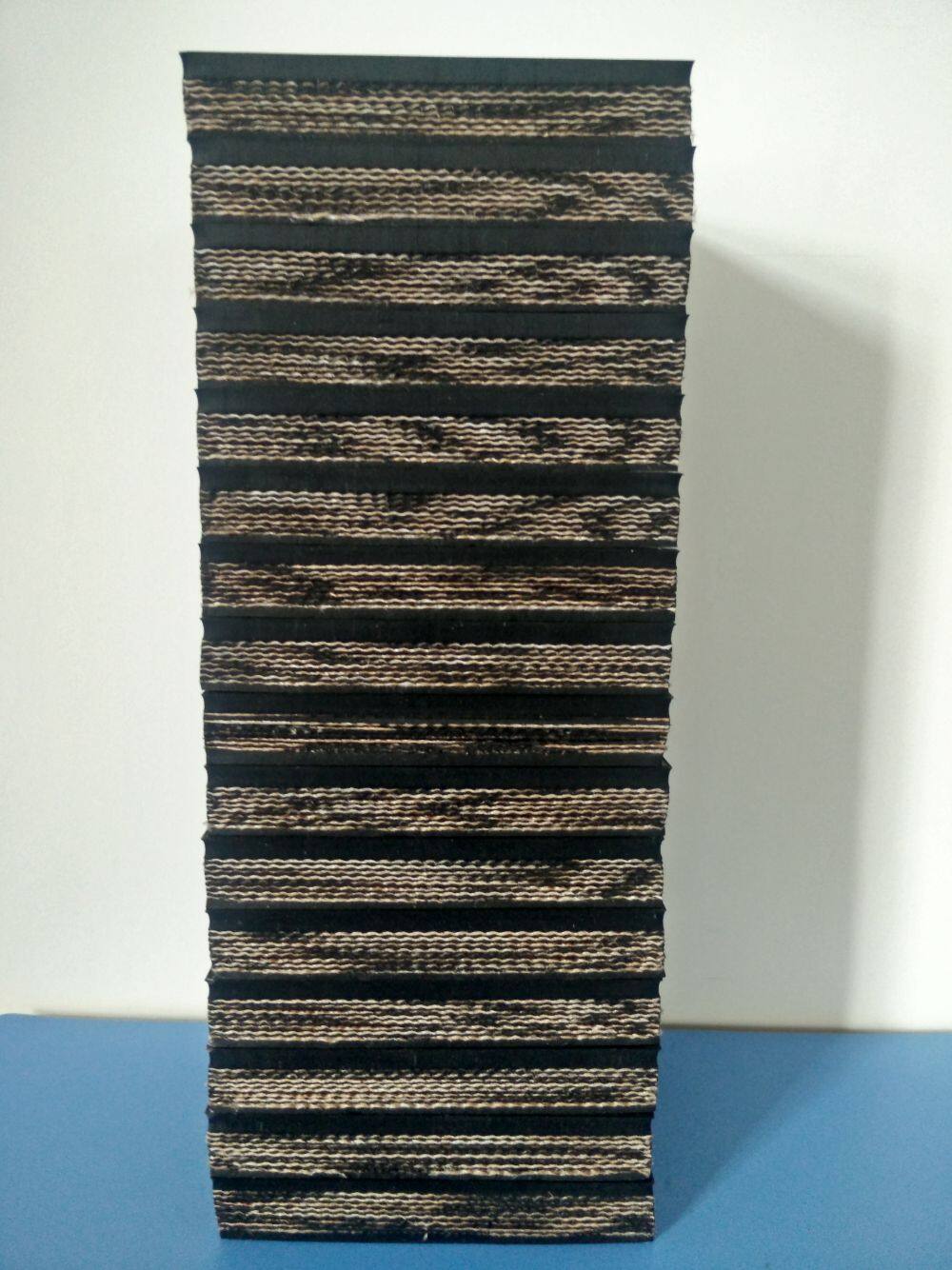
2. Key Factors for Type Selection of Mining Conveyor Belts
Scientific type selection is the premise to ensure the stable operation of mining conveyor systems. The following key factors must be considered during the selection process:
2.1 Material Characteristics to Be Conveyed
Material density and particle size: High - density and large - particle materials (e.g., iron ore) require conveyor belts with high tensile strength and wear resistance; for powdery materials (e.g., coal powder), attention should be paid to the belt's sealing performance to avoid material leakage.
Material temperature: High - temperature materials need heat - resistant conveyor belts, while low - temperature materials in cold regions require belts with good low - temperature flexibility to prevent cracking.
Corrosiveness of materials: Acidic or alkaline mineral materials will corrode the belt body, so it is necessary to select conveyor belts with acid - alkali resistant rubber covers.
2.2 Working Conditions of the Mine
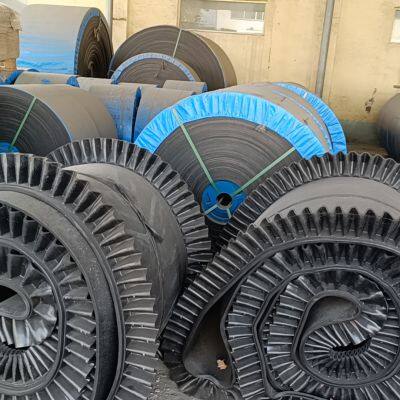
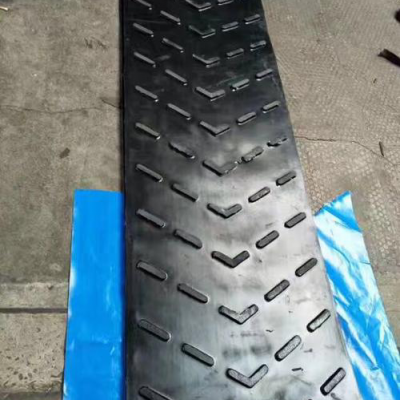
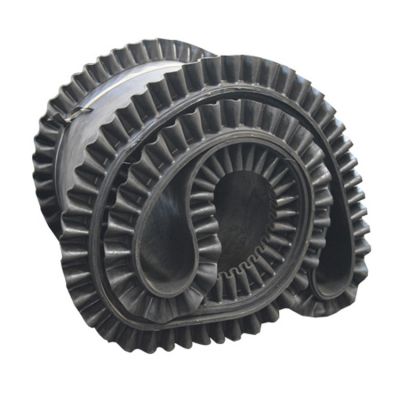
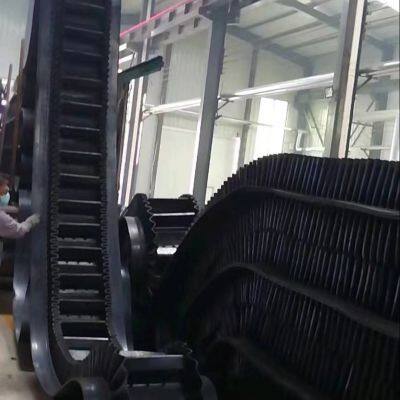
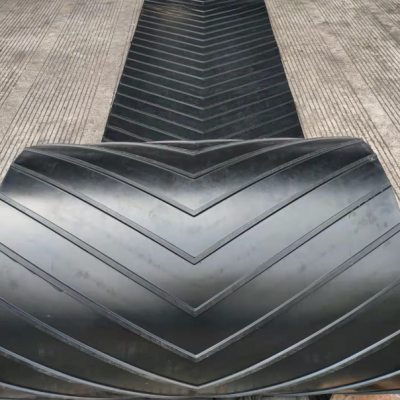
Transport distance and inclination angle: For long - distance (over 1km) horizontal or low - inclination transportation, steel cord conveyor belts are preferred; for short - distance and large - inclination transportation (inclination angle > 15°), corrugated sidewall conveyor belts can be selected to prevent material sliding.
Working environment: In coal mines with flammable and explosive risks, flame - retardant conveyor belts that meet national safety standards must be adopted; in humid or water - rich mines, conveyor belts with moisture - proof and mildew - proof properties should be chosen.
2.3 Operational Parameters of the Conveyor System
Conveying capacity: The width of the conveyor belt is determined by the required hourly conveying capacity. Generally, the wider the belt width, the larger the conveying capacity (for example, a belt with a width of 1200mm can achieve a conveying capacity of 800 - 1200 t/h for coal).
Running speed: High - speed operation (over 2.5 m/s) requires conveyor belts with excellent dynamic balance to avoid belt vibration and premature wear.
3. Steps for Type Selection of Mining Conveyor Belts
Determine basic requirements: Clarify the material type, conveying capacity, transport distance, inclination angle and working environment parameters of the conveyor system according to the mine's production plan.
Select belt type: Based on material characteristics and working conditions, initially determine the belt type (e.g., steel cord belt for long - distance heavy material transportation, flame - retardant belt for coal mines).
Calculate core parameters: Calculate the required tensile strength, belt width and thickness of the conveyor belt according to mechanical formulas, combined with the conveyor's driving power and tension distribution.
Verify safety performance: Check whether the selected conveyor belt meets the mine's safety standards (especially flame retardancy and anti - static performance for special mines) and conduct on - site trial operation verification.
Confirm supplier and after - sales service: Choose conveyor belt suppliers with rich mining industry experience, and clarify the warranty period, maintenance plan and spare parts supply capacity.
4. Conclusion
The type selection of mining conveyor belts is a systematic project that integrates material characteristics, working conditions and operational parameters. Reasonable type selection can not only improve the efficiency of mine material transportation, but also reduce maintenance costs and extend the service life of equipment. It is recommended to carry out type selection work in combination with professional technical guidance and on - site actual conditions.
Recently Posted
-
Conveyor Belt Storage and Transportation Knowledge
January 16, 2026During transportation and storage, the conveyor belt should be kept clean. Avoid direct sunlight, rain or snow exposure, and conta Read More
 -
rubber conveyor belt for cement/power plant
January 8, 20261. Overview of Conveyor Belts in Cement PlantsConveyor belts are critical continuous conveying equipment in cement production line Read More
 -
white rubber conveyor belt for industry or food
December 25, 2025The tensile body of polyester cotton conveyor belt is interwoven by cotton-polyester blended fabric in longitude and cotton fiber Read More
 -
fire-resistant conveyor belt for underground coal mining
December 17, 2025How to choose suitable conveyorbelt ?We have PVC and PVG conveyor belts . PVC belt 's price is lower than PVG belt. if your tr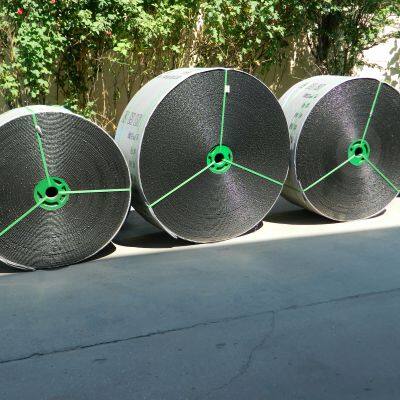 Read More

Contact Us
Recommended Products
-
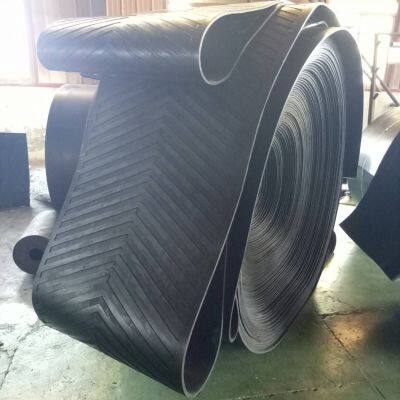
 Chevron Conveyor BeltUS$ 5 - 50MOQ: 100 Meters
 -
Factory Price Durable Industrial EP Rubber Belting Fabric Conveyor BeltUS$ 5 - 50MOQ: 100 Meters
-
NN100/150/200 White Rubber Conveyor Belt for Food //industryUS$ 5 - 50MOQ: 100 Meters
-
Factory Price Durable Industrial EP Rubber Belting Fabric Conveyor BeltUS$ 5 - 50MOQ: 100 Meters
-
Direct Manufacture From China / Sidewall Rubber Conveyor BeltUS$ 5 - 50MOQ: 100 Meters
-
NN100/150/200/300 Wear/oil/heat Resistant Conveyor Belt for Mining/coal / Cement PlantUS$ 5 - 50MOQ: 100 Meters
-
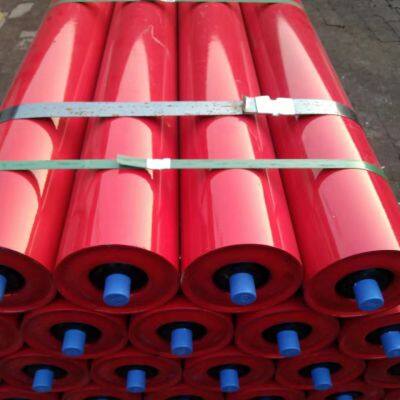
Conveyor Ldler Conveying Roller For Cement /powder/coal/mining PlantUS$ 4 - 10MOQ: 50 Pieces
-
Sidewall Conveyor Belt With Cleated /EP100/150/200/300 Wear Resistant Conveyor BeltUS$ 5 - 50MOQ: 100 Meters
-
Chevern Conveyor BeltUS$ 5 - 50MOQ: 100 Meters
-
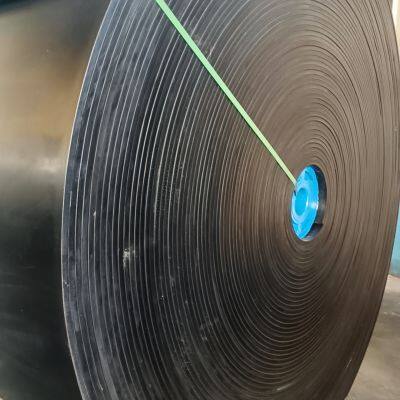
Durable Industrial EP Rubber Belting Fabric Conveyor Belt For Coal MiningUS$ 5 - 50MOQ: 100 Meters

-
PVC/PVG Conveyor Belt for UndergroudUS$ 5 - 50MOQ: 100 Meters
-
PVG/PVC Solid Woven Conveyor Belt for UndergroudUS$ 5 - 50MOQ: 100 Meters
-
Chevron Conveyor BeltUS$ 5 - 50MOQ: 100 Meters
-
Durable Industrial EP Rubber Belting Fabric Conveyor Belt For Coal MiningUS$ 5 - 50MOQ: 100 Meters
-
Heat Resistant Convoyor Belt for SaleUS$ 5 - 50MOQ: 100 Meters

-
Conveyor Ldler Conveying Roller For Cement /powder/coal/mining PlantUS$ 4 - 10MOQ: 50 Pieces
-
Sidewall Conveyor Belt With Cleated /EP100/150/200/300 Wear Resistant Conveyor BeltUS$ 5 - 50MOQ: 100 Meters
-
EP100/150/200/300 L/H /M Grade Conveyor BeltUS$ 5 - 50MOQ: 100 Meters
-
Factory Price Durable Industrial EP Rubber Belting Fabric Conveyor BeltUS$ 5 - 50MOQ: 100 Meters
-
Solid Woven Conveyor Belt for Undergroud/coalUS$ 5 - 50MOQ: 100 Meters