 Business License

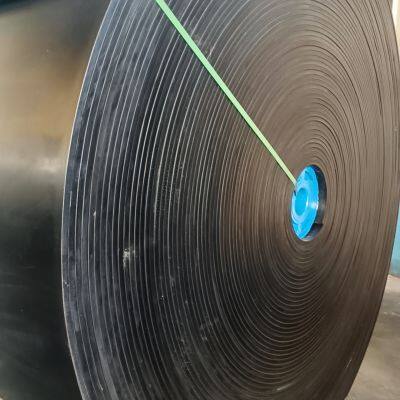
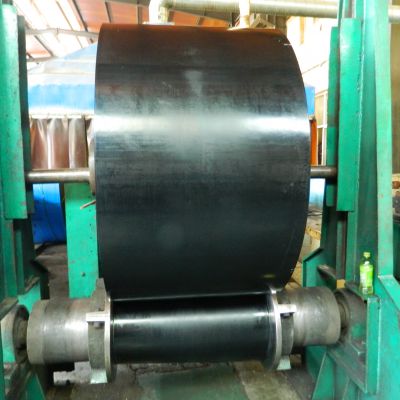
rubber conveyor belt for cement/power plant
1. Overview of Conveyor Belts in Cement Plants
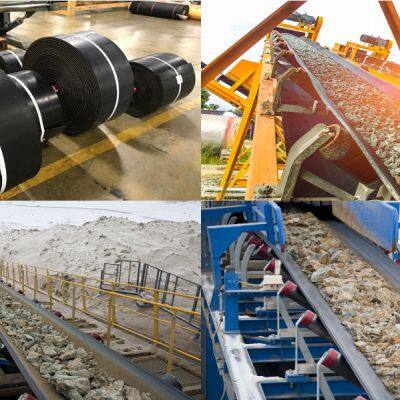
Conveyor belts are critical continuous conveying equipment in cement production lines, undertaking the transportation tasks of raw materials (limestone, clay, iron ore), fuels (coal), clinker, cement clinker and finished cement.
In cement plant scenarios, conveyor belts are exposed to complex working conditions such as dust pollution, material impact, and occasional high-temperature contact. Therefore, they are required to have excellent wear resistance, impact resistance, and anti-adhesion performance. According to the conveying materials and process sections, the commonly used conveyor belts in cement plants are mainly divided into the following types:
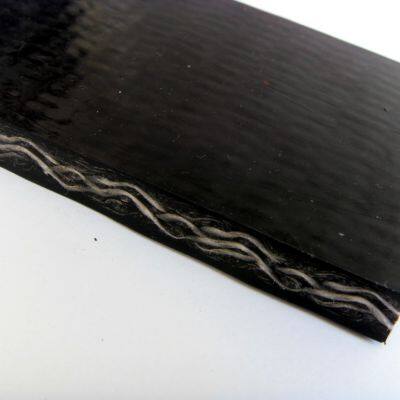
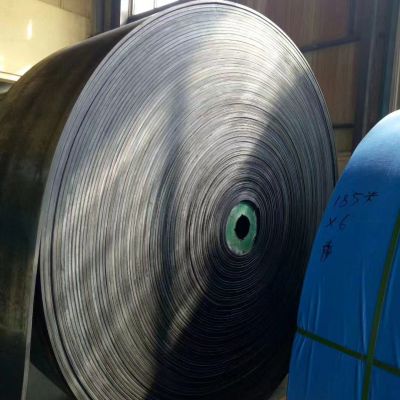
Wear-resistant fabric conveyor belts: Reinforced with high-strength polyester (EP) or nylon (NN) fabrics, they have outstanding wear resistance and are suitable for conveying raw materials with high hardness and large particle sizes, such as limestone and clinker in the crushing and pre-homogenization sections.
Heat-resistant conveyor belts: Designed for conveying high-temperature clinker (temperature up to 150–200℃), the rubber cover is made of heat-resistant compound materials, which can effectively resist thermal aging and prevent belt cracking due to high temperature.
Anti-adhesion conveyor belts: The surface of the belt body is treated with a special anti-stick coating, which is applicable to the transportation of finished cement and cement clinker, avoiding material adhesion to the belt surface and reducing cleaning workload.
Steel cord conveyor belts: With steel cords as the core reinforcement structure, they have ultra-high tensile strength and are suitable for long-distance, large-capacity conveying scenarios in cement plants, such as the long-distance transportation of raw materials from the stockyard to the raw mill.
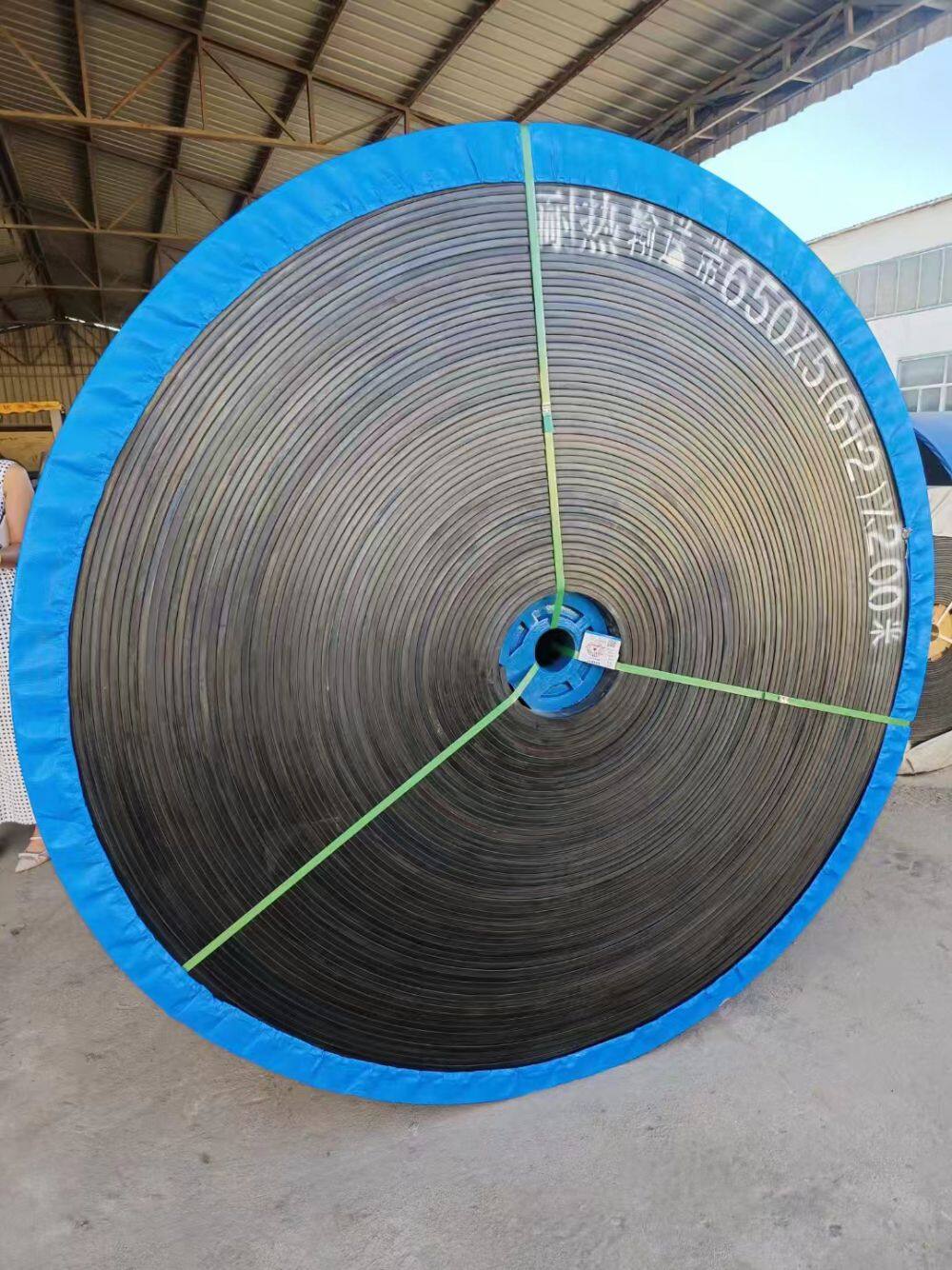
Type Selection Steps for Conveyor Belts in Cement Plants
Clarify process requirements: Confirm the conveying material type, particle size, temperature, conveying capacity, distance, inclination angle and other parameters according to the cement plant's production process flow and design indicators.
Preliminarily determine the belt type: Select the corresponding belt type (wear-resistant, heat-resistant, steel cord, etc.) based on material characteristics and process conditions. For example, choose heat-resistant steel cord belts for clinker long-distance conveying, and anti-adhesion fabric belts for finished cement conveying.
Calculate core technical parameters: Calculate the required tensile strength, belt width, rubber cover thickness and other parameters according to mechanical formulas, combined with the driving power and tension distribution of the conveyor.
Verify compliance with standards: Ensure that the selected conveyor belts meet the industry standards for cement machinery, especially the anti-static and flame-retardant performance requirements for the areas with dust explosion risks.
Confirm supplier and after-sales service: Select suppliers with experience in cement industry projects, and clarify the product warranty period, on-site installation guidance, and spare parts supply cycle.
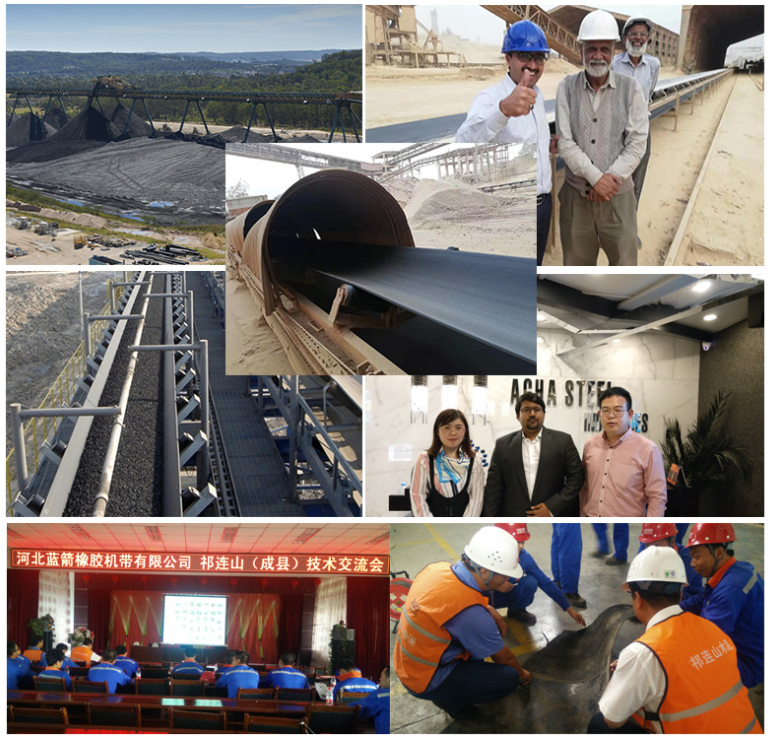
How to find us ?
pls search :hebei lanjian rubber belt" on google or baidu .
Recently Posted
-
Conveyor Belt Storage and Transportation Knowledge
January 16, 2026During transportation and storage, the conveyor belt should be kept clean. Avoid direct sunlight, rain or snow exposure, and conta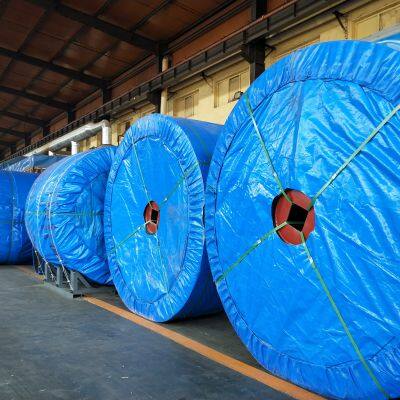 Read More
 -
Mining conveyor belt
January 8, 2026Introduction and Type Selection of Mining Conveyor Belts1. Introduction to Mining Conveyor BeltsMining conveyor belts are core equ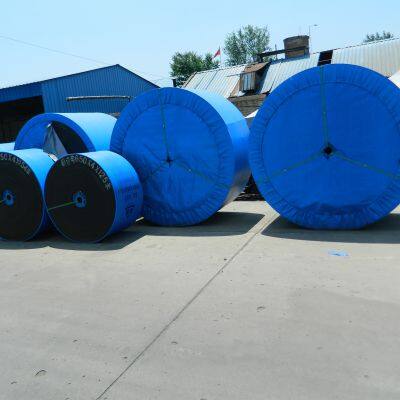 Read More
 -
white rubber conveyor belt for industry or food
December 25, 2025The tensile body of polyester cotton conveyor belt is interwoven by cotton-polyester blended fabric in longitude and cotton fiber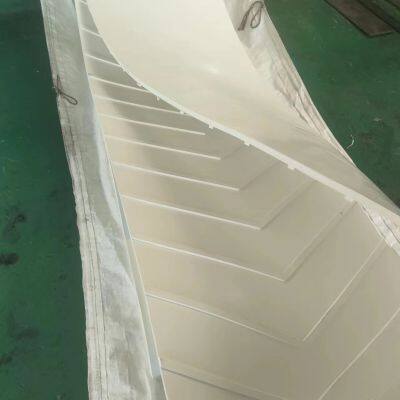 Read More
 -
fire-resistant conveyor belt for underground coal mining
December 17, 2025How to choose suitable conveyorbelt ?We have PVC and PVG conveyor belts . PVC belt 's price is lower than PVG belt. if your tr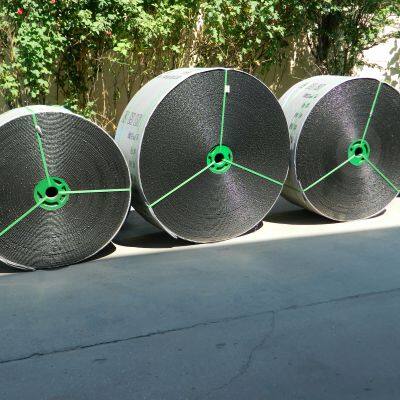 Read More

Contact Us
Recommended Products
-
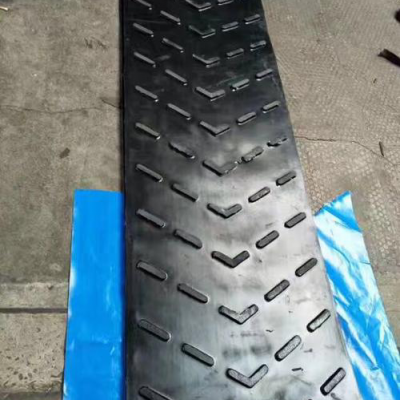
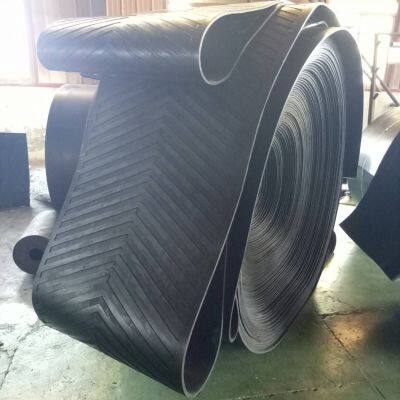
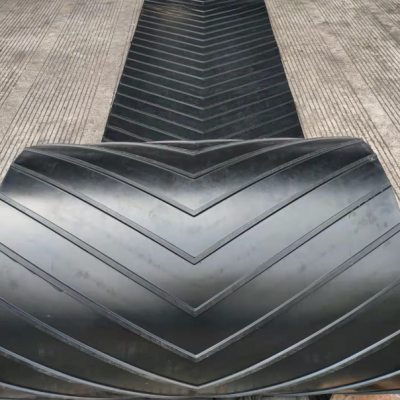
 Chevron Conveyor BeltUS$ 5 - 50MOQ: 100 Meters
 -
Factory Price Durable Industrial EP Rubber Belting Fabric Conveyor BeltUS$ 5 - 50MOQ: 100 Meters
-
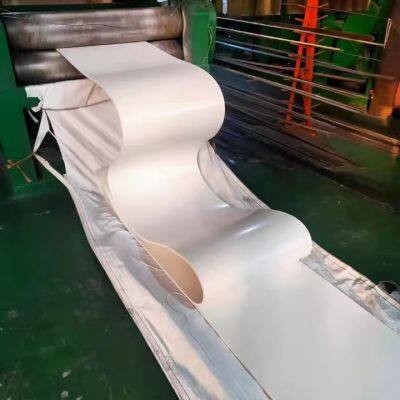
NN100/150/200 White Rubber Conveyor Belt for Food //industryUS$ 5 - 50MOQ: 100 Meters
-
Factory Price Durable Industrial EP Rubber Belting Fabric Conveyor BeltUS$ 5 - 50MOQ: 100 Meters
-
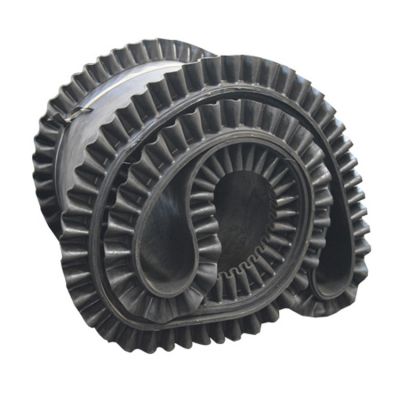
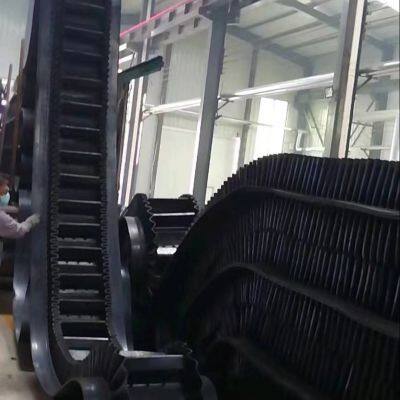
Direct Manufacture From China / Sidewall Rubber Conveyor BeltUS$ 5 - 50MOQ: 100 Meters
-
NN100/150/200/300 Wear/oil/heat Resistant Conveyor Belt for Mining/coal / Cement PlantUS$ 5 - 50MOQ: 100 Meters
-
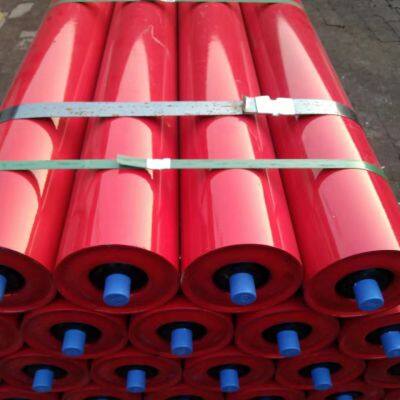
Conveyor Ldler Conveying Roller For Cement /powder/coal/mining PlantUS$ 4 - 10MOQ: 50 Pieces
-
Sidewall Conveyor Belt With Cleated /EP100/150/200/300 Wear Resistant Conveyor BeltUS$ 5 - 50MOQ: 100 Meters
-
Chevern Conveyor BeltUS$ 5 - 50MOQ: 100 Meters
-
Durable Industrial EP Rubber Belting Fabric Conveyor Belt For Coal MiningUS$ 5 - 50MOQ: 100 Meters

-
PVC/PVG Conveyor Belt for UndergroudUS$ 5 - 50MOQ: 100 Meters
-
PVG/PVC Solid Woven Conveyor Belt for UndergroudUS$ 5 - 50MOQ: 100 Meters
-
Chevron Conveyor BeltUS$ 5 - 50MOQ: 100 Meters
-
Durable Industrial EP Rubber Belting Fabric Conveyor Belt For Coal MiningUS$ 5 - 50MOQ: 100 Meters
-
Heat Resistant Convoyor Belt for SaleUS$ 5 - 50MOQ: 100 Meters

-
Conveyor Ldler Conveying Roller For Cement /powder/coal/mining PlantUS$ 4 - 10MOQ: 50 Pieces
-
Sidewall Conveyor Belt With Cleated /EP100/150/200/300 Wear Resistant Conveyor BeltUS$ 5 - 50MOQ: 100 Meters
-
EP100/150/200/300 L/H /M Grade Conveyor BeltUS$ 5 - 50MOQ: 100 Meters
-
Factory Price Durable Industrial EP Rubber Belting Fabric Conveyor BeltUS$ 5 - 50MOQ: 100 Meters
-
Solid Woven Conveyor Belt for Undergroud/coalUS$ 5 - 50MOQ: 100 Meters